UK Remote Gaming Duty Surges to 40%: The Tax Hike Reshaping Online Casino Profits from April 2026

The Shift in UK's Remote Gaming Duty Landscape
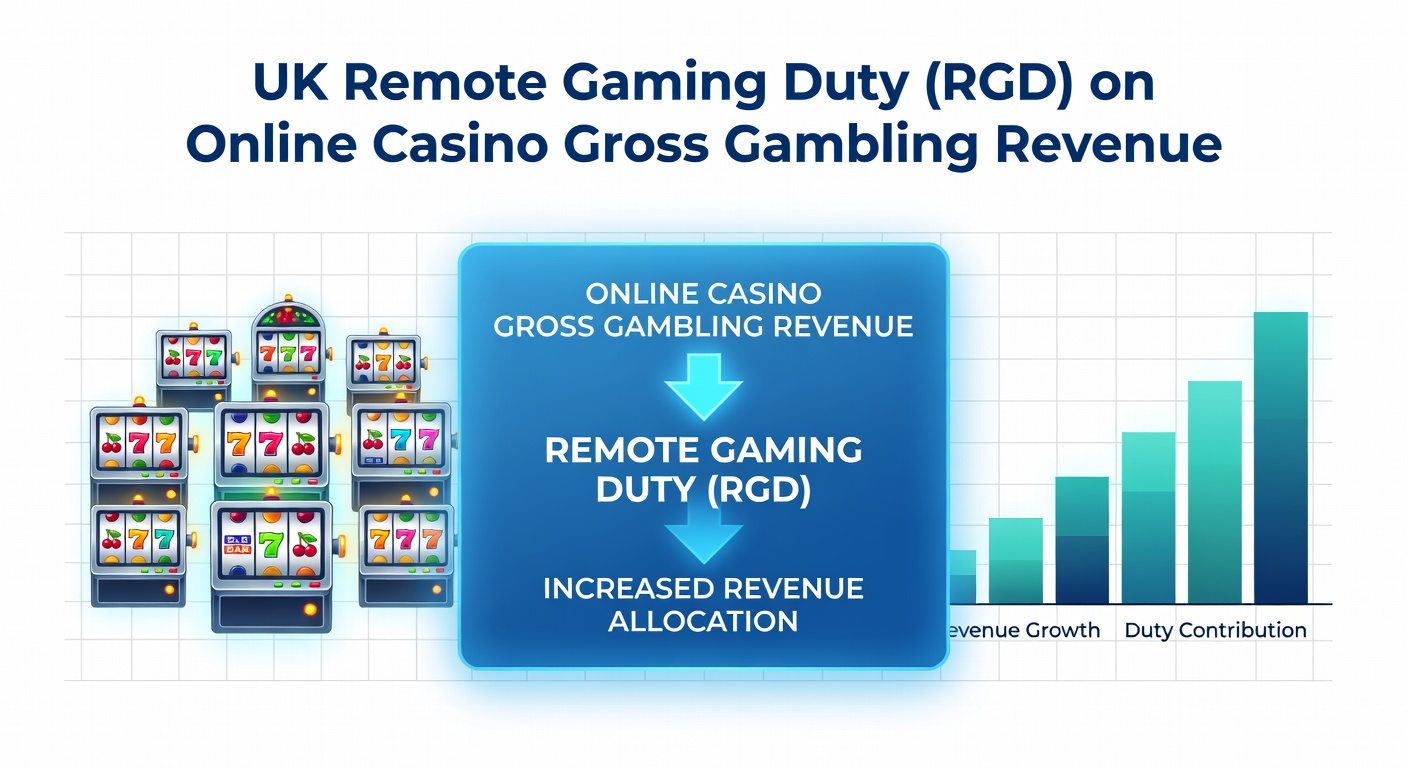
Operators in the UK's online casino sector, particularly those handling gross gambling revenue from games like online slots, now face a steep climb as the Remote Gaming Duty (RGD) rate climbs from 21% to 40% starting April 1, 2026; this adjustment, embedded within wider gambling duty reforms announced by the government, targets remote betting and gaming activities conducted by UK-licensed firms, and while it promises more revenue for public coffers, data from industry watchers like CDC Gaming Reports points to a potential "spiral effect" squeezing profitability margins especially hard.
What's interesting here is how the duty applies specifically to the gross gambling yield minus certain deductions such as stakes returned to players or free bets, meaning online slots and casino table games contribute directly to the taxable base; experts tracking iGaming finances have long noted that UK market exposure runs deep for many international operators, with some deriving upwards of 20-30% of total revenue from British players, so this hike doesn't just nibble at edges but threatens to reshape entire business models overnight.
And yet, no operators have pulled out of the UK market purely because of this change so far; observers point out that the regulatory environment, though tightening, still offers a large player pool and established infrastructure, but the writing's on the wall for firms heavily reliant on high-volume, low-margin games like slots where every percentage point in taxation ripples through marketing budgets, player acquisition costs, and ultimately retention rates.
Unpacking the Mechanics of the RGD Increase
The Remote Gaming Duty, in place since 2001 and tweaked over years to capture evolving digital gambling trends, levies charges on profits from remote sources like websites and apps accessed by UK users; under the new structure effective April 2026, the headline rate doubles almost, jumping to 40% on that gross revenue slice after allowable subtractions, and while land-based casinos see parallel shifts in their duties, the online segment bears the brunt given its rapid growth—figures from recent fiscal analyses show remote gaming revenue hitting £4.5 billion in the last reported year alone, setting the stage for an extra £800 million or more in annual collections post-hike.
But here's the thing: this isn't isolated; it forms part of broader reforms including adjustments to General Betting Duty and Lottery Duty, all aimed at aligning taxation with modern gambling patterns where mobile slots and instant-play casinos dominate daily play; researchers studying tax impacts across Europe, such as those at the Malta Gaming Authority's taxation frameworks (which influence many UK-facing ops), highlight how such escalations create cascading pressures since operators can't always pass costs directly to players without risking churn.
Take the "spiral effect" that CDC Gaming spotlights: higher duties eat into net profits, prompting cuts in promotional spends or bonus offers—which fuel slot engagement in the first place—leading to softer revenue growth, which in turn amplifies the effective tax burden as a share of what's left; one analysis modeled this for a mid-tier operator with 25% UK revenue, projecting a 15-20% drop in overall EBITDA unless countermeasures kick in swiftly.
Operator Strategies Amid the Profit Squeeze
Those in the iGaming space, facing this fiscal headwind set for April 2026, are already rolling out mitigation plays; cost optimization tops the list, with firms trimming overheads in tech infrastructure or staff while leaning harder into automation for player verification and game delivery, and diversification emerges as another key move—operators pivot toward emerging markets like Ontario, Canada, where iGaming rollout under the Alcohol and Gaming Commission of Ontario offers lower effective taxes alongside growing player bases hooked on slots similar to UK favorites.
It's noteworthy that partnerships accelerate too; smaller studios bundle slot portfolios for aggregated reach, cutting distribution costs, while larger players explore mergers to spread UK exposure thinner; data from sector trackers reveals that groups with under 15% UK reliance weather such storms better, often sustaining slot RTP promotions without slashing yields, whereas heavyweights experiment with geo-fencing tweaks or localized pricing that skirts direct tax passthrough.
Yet challenges persist: regulatory compliance ramps up alongside the duty, demanding more robust anti-money laundering checks that inflate operational expenses; people who've modeled these scenarios note how slots, with their high-frequency spins and progressive jackpots, amplify sensitivity to bonus dilution since players chase value through free spins and deposit matches tied to gross revenue calculations.
Market Exposure and the Road to 2026
UK-licensed operators, numbering over 100 active in remote gaming, confront varying degrees of pain based on their footprint; public companies like those listed on the LSE disclose in filings that UK slots revenue comprises 10-40% of portfolios, so the 40% duty lands differently—majors with global diversification absorb it via scale, but niche slot-focused brands scramble for footing; turns out, pre-hike planning includes stockpiling cash reserves or lobbying through trade bodies for phased implementation, although government timelines hold firm for that April 1 kickoff.
What's significant is the absence of outright exits; unlike past regulatory jolts in places like Australia under tightened point-of-consumption taxes, UK firms stick around, betting on loyalty from slot enthusiasts who favor familiar titles from providers like NetEnt or Pragmatic Play; experts observing these dynamics predict a consolidation wave post-2026, where survivors emerge leaner, channeling savings back into innovative features like skill-based slots or VR integrations to boost engagement without bloating the taxable revenue pool.
And while no mass exodus materializes yet, whispers in industry forums suggest some shift licenses offshore—think Gibraltar or Isle of Man setups—though white-label complexities and UK player restrictions complicate that path; the reality is, heavy exposure means adaptation rules the day, with operators fine-tuning algorithms to prioritize high-value slots that yield steadier gross gambling revenue streams even under doubled taxation.
Broader Reforms and Global Ripples
These RGD changes nest within a package modernizing duties across gambling verticals; General Betting Duty for sportsbooks edges up too, creating uniform pressure that discourages siloed operations, and while slots operators feel it acutely due to volume-driven models, the holistic reform seeks to fund problem gambling initiatives alongside general revenue—projections estimate £1 billion extra yearly from remote sources alone by 2027-28.
Globally, parallels draw eyes; in the US, states like New Jersey tweak iGaming taxes progressively, much as Australia's federal framework imposes 10-15% on online wins, yet UK's leap to 40% stands out, prompting international firms to recalibrate UK slots marketing; researchers from outfits like the International Center for Gaming Regulation compare these, finding that markets tolerating 20-25% sustain innovation best, hinting at why mitigation feels urgent here.
So as April 2026 nears, the sector buzzes with scenario planning; one case saw a European operator test dynamic pricing for slots, adjusting bets subtly to maintain player spend while padding deductions, and although results vary, such tactics underscore the adaptive edge in play.
Conclusion
The Remote Gaming Duty's ascent to 40% from April 1, 2026, marks a pivotal shift for UK online casino operators, especially those riding high on slots revenue; the anticipated spiral effect on profits spurs a flurry of strategies from cost controls to market spreads, yet with no exits signaled, resilience defines the response amid an evolving regulatory terrain. Observers tracking these moves expect a more consolidated, tech-savvy landscape to emerge, where operators balance heavier duties against sustained player demand for digital thrills. Data underscores the stakes, but adaptation charts the course forward.