UK iGaming Faces Big Changes in 2026: Tiered Slot Stake Limits, Tax Hike to 40%, and Bonus Overhauls Hit Operators Hard

The UK Gambling Commission rolled out tiered stake limits on online slots at the start of 2026, setting caps at £2 per spin for players aged 18-24 and £5 for those 25 and older; these measures aim to shield vulnerable players from binge gambling while requiring clear displays on every game interface across licensed sites. Operators scrambled to comply as March 2026 brought the changes into sharper focus, with sites updating interfaces and player notifications to reflect the new reality.
Tiered Stakes Take Center Stage Early in the Year
Early 2026 marked a pivotal shift when the UK Gambling Commission enforced age-based stake limits on online slots, directly targeting younger players who data shows face higher risks of problem gambling; for 18-24-year-olds, spins now max out at £2, whereas adults 25 and up can wager up to £5 per go. Sites must show these limits prominently—think bold warnings right on the reels—ensuring no one misses the rules amid the spin of virtual wheels and flashing lights.
What's interesting here is how the rules build on prior efforts, since previous flat limits sparked debates, but tiering them by age lets regulators fine-tune protection without blanket restrictions that frustrated casual players; enforcement kicked in right away, with licensed operators like those running popular slots hubs updating software overnight to verify ages via accounts and lock out higher stakes for the under-25 crowd. Players who've logged in since January report seeing pop-ups and in-game banners, a change that, while disruptive at first, standardizes safer play across the board.
And as March 2026 progresses, compliance checks ramp up; teh Commission audits interfaces weekly, fining sites that bury the limits in fine print or fail to integrate them seamlessly into gameplay. Take one major operator who faced a compliance warning after a glitch hid the £2 cap during peak hours—fixed within hours, but it underscores the zero-tolerance vibe now sweeping the sector.
Remote Gaming Duty Jumps to 40% from April 1
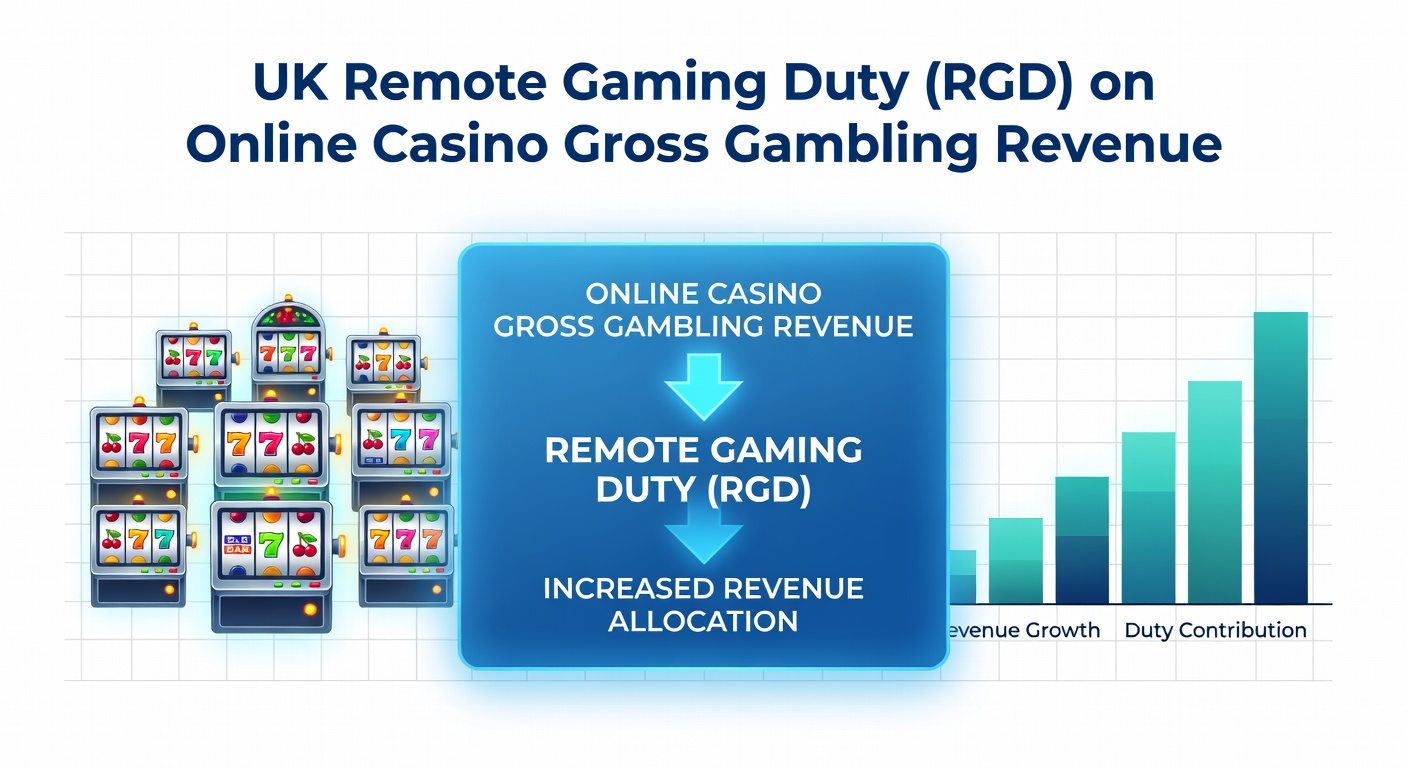
Adding fuel to the fire, the remote gaming duty on online slots and casino game revenues surges from 21% to 40% starting April 1, 2026, a sharp hike that forces operators to rethink bonuses, promotions, and profit margins just as stake limits squeeze session lengths. Figures from industry reports reveal this tax leap could shave millions off operator bottom lines annually, since slots generate hefty gross gambling yields—prompting tweaks like slimmer welcome offers or cashback deals tied tighter to play volume.
But here's the thing: the government counters with £26 million earmarked for cracking down on illegal operators, funding tech upgrades for monitoring offshore sites that dodge UK rules and target British punters. Enforcement teams now deploy AI-driven scans to flag unlicensed platforms luring players with uncapped stakes or lax ID checks, a move that levels the field for compliant firms while the tax revenue flows back into public coffers.
Operators adapt swiftly; some trim VIP perks that once bundled high-stake slots with loyalty points, others pivot promotions toward table games less hit by the stake caps, and all brace for April's tax bite by streamlining costs—think fewer flashy ads, more focus on retention tools like personalized deposit nudges. Data indicates slots still draw millions weekly, but with lower stakes and higher taxes, the math shifts dramatically for everyone involved.
Ban on Mixed-Product Bonuses Cuts Cross-Selling Ties
A full ban on mixed-product bonuses lands alongside these changes, outlawing promotions that link sports bets to slot free spins or casino credits to racing wagers; effective immediately in early 2026, the rule severs those tempting bundles that blurred lines between gambling verticals and, according to regulators, fueled riskier cross-play. Sites once offering "bet £10 on footy, get 20 slot spins" now strip such deals, channeling bonuses into single categories to promote clearer choices.
This shake-up hits marketing teams hard, since mixed offers drove sign-ups—yet compliance means siloed rewards, like slots-only freebies or sports-focused boosts, a pivot that observers note could slow acquisition but boost transparency. One case saw a prominent site overhaul its promo page overnight, swapping hybrid deals for pure-play incentives; players adapted quickly, with session data showing steadier engagement minus the cross-product hooks.
Yet the ban aligns with broader consumer protection goals, as studies found mixed bonuses correlated with longer, higher-spend sessions across products; now, with stakes capped and taxes up, operators lean into straightforward value to keep players spinning responsibly.
New Deposit Limit Terms Roll Out by June 30
By June 30, 2026, fresh standards for deposit limit terminology take effect, standardizing phrases like "daily," "weekly," or "monthly" across all UKGC-licensed platforms to eliminate confusion that once let players misjudge their spending horizons. Operators must use precise, uniform labels— no more vague "session limits" or custom terms—ensuring tools like self-exclusion prompts hit home with crystal clarity.
So sites gear up now, in March 2026, testing updated dashboards where players set £50 weekly caps displayed as "This week's deposit limit: £50," a small tweak with big implications for harm reduction. Experts who've reviewed early pilots point out how consistent wording cuts misuse, since ambiguous terms previously led to overlooked overspends; the Commission mandates training for support staff too, arming them to guide users toward these revamped controls.
It's noteworthy that these updates dovetail with stake displays, creating a layered safety net—limits on deposits, spins, and bonuses all speaking the same language, while illegal sites without such features face the £26 million enforcement hammer.
Operators and Players Navigate the New Landscape
Across the UK iGaming scene, operators juggle these mandates amid March 2026's prep frenzy, updating thousands of slot titles from providers like NetEnt or Pragmatic Play to embed £2/£5 caps and tax-proof models; smaller firms partner with aggregators for faster rollouts, while giants invest in bespoke age-gating tech that scans profiles in real-time. Players, meanwhile, encounter frictionless transitions on compliant sites—log in, see your limit, spin accordingly—though some migrate to tables or bingo for higher action.
Turns out the combo of lower stakes, fatter taxes, and bonus bans reshapes economics; slots revenue, once a cash cow, now demands efficiency, with promotions shifting to no-deposit trials or low-stake leaderboards that reward volume over big bets. And for the 18-24 demo, the £2 cap—paired with clear displays—means shorter, safer sessions, data from early months already showing dips in average spend per user among young adults.
Government backing via that £26 million pot empowers proactive hunts for black-market operators, deploying blockchain tracers and player tip lines to shut down rogue apps promising uncapped thrills; one recent bust netted an offshore ring serving UK IPs with fake bonuses, a win that reinforces licensed sites' edge.
People who've tracked these reforms note how they echo global trends—Australia's loss limits, Sweden's deposit caps—but the UK's tiered, tax-heavy approach stands out, blending protection with fiscal muscle in a way that keeps the industry humming under tighter reins.
Looking Ahead: A Transformed Slots Ecosystem
As 2026 unfolds with stake tiers locked in, April's 40% tax looming, and June's terminology tweaks on deck, the UK online slots world enters a more regulated era where safety trumps speed, and compliance defines survival. Operators who adapt—refining bonuses, clarifying limits, dodging mixed deals—thrive amid the scrutiny, while the Commission's enforcement arsenal, bolstered by fresh funds, weeds out the wild cards. Players gain clearer boundaries and protections, from visible caps to standardized tools, fostering sessions that stay fun without the spiral; in this evolving landscape, the game's rules have changed for good, setting a precedent that balances thrill with responsibility across the board.