UK Gambling Commission Enforces Strict New Slots Rules in 2026: £2 Stakes for Young Players and Beyond

Early in 2026, the UK Gambling Commission (UKGC) rolled out mandatory regulatory changes targeting online slots across all licensed operator sites, with measures designed to address binge gambling patterns that data from previous years had flagged as particularly risky among certain player groups; these updates, effective from the year's start, include statutory maximum stake limits of £2 per spin for players aged 18-24 and £5 for those 25 and over, alongside a host of other reforms reshaping the landscape.
Operators faced immediate compliance deadlines, and by March 2026, enforcement teams were already monitoring adherence, ensuring that every licensed platform adjusted its systems to enforce these age-segmented caps without exception. What's interesting here is how teh rules differentiate based on age, reflecting research that showed younger players engaging in higher-risk behaviors more frequently, although the exact mechanics of age verification tie into existing Know Your Customer protocols that sites have long maintained.
Stake Limits Hit the Ground Running
The cornerstone of these changes centers on those stake limits, which became non-negotiable from day one of 2026; for the 18-24 demographic, that £2 ceiling per spin applies universally, whether on desktop or mobile, while anyone 25 and older sees £5 as the hard cap, a distinction that experts tracking gambling trends note stems directly from behavioral data indicating disproportionate session lengths and losses in the younger cohort. Sites had to retrofit their software swiftly, integrating real-time checks that factor in verified birthdates, and although some operators grumbled about the tech overhaul costs, compliance rolled out seamlessly across the board.
Take one major platform that pivoted overnight: it updated its slot lobbies to display prominent warnings alongside spin buttons, ensuring players couldn't exceed limits even if they tried, which aligns with the UKGC's push for frictionless enforcement. And yet, these caps don't blanket every game type; they target slots specifically, leaving table games and other categories untouched for now, although observers point out that future expansions remain on the table if data warrants it.
But here's the thing: the rules extend beyond just enforcement, mandating that operators provide clear, in-game notifications about the limits, so players encounter reminders before every session ramps up, a detail that ties into broader player protection strategies honed over years of consultations.
Ban on Mixed-Product Bonuses Shakes Up Promotions
Layered onto the stake curbs comes a full ban on mixed-product bonuses, where promotions previously required, say, placing sports bets to unlock slots free spins or credits; this prohibition, locked in early 2026, forces operators to segregate offers cleanly, meaning slots bonuses must stand alone without crossovers to other verticals like sportsbooks or live casino. Data from pre-ban audits had revealed how such hybrids often lured players into unintended binge patterns, crossing product lines and escalating spend, so the UKGC zeroed in to sever those links entirely.
Operators adapted by purging hybrid deals from their arsenals, replacing them with slots-only incentives that comply strictly, and while this narrows promotional creativity, it streamlines compliance in a way that's already showing up in March 2026 reports from regulatory spot-checks. There's this case where a prominent site revamped its welcome package, ditching the old "bet on football to spin slots" model for pure slots cashback, a shift that players navigating the new landscape have had to adjust to quickly.
Remote Gaming Duty Jumps to 40% from April
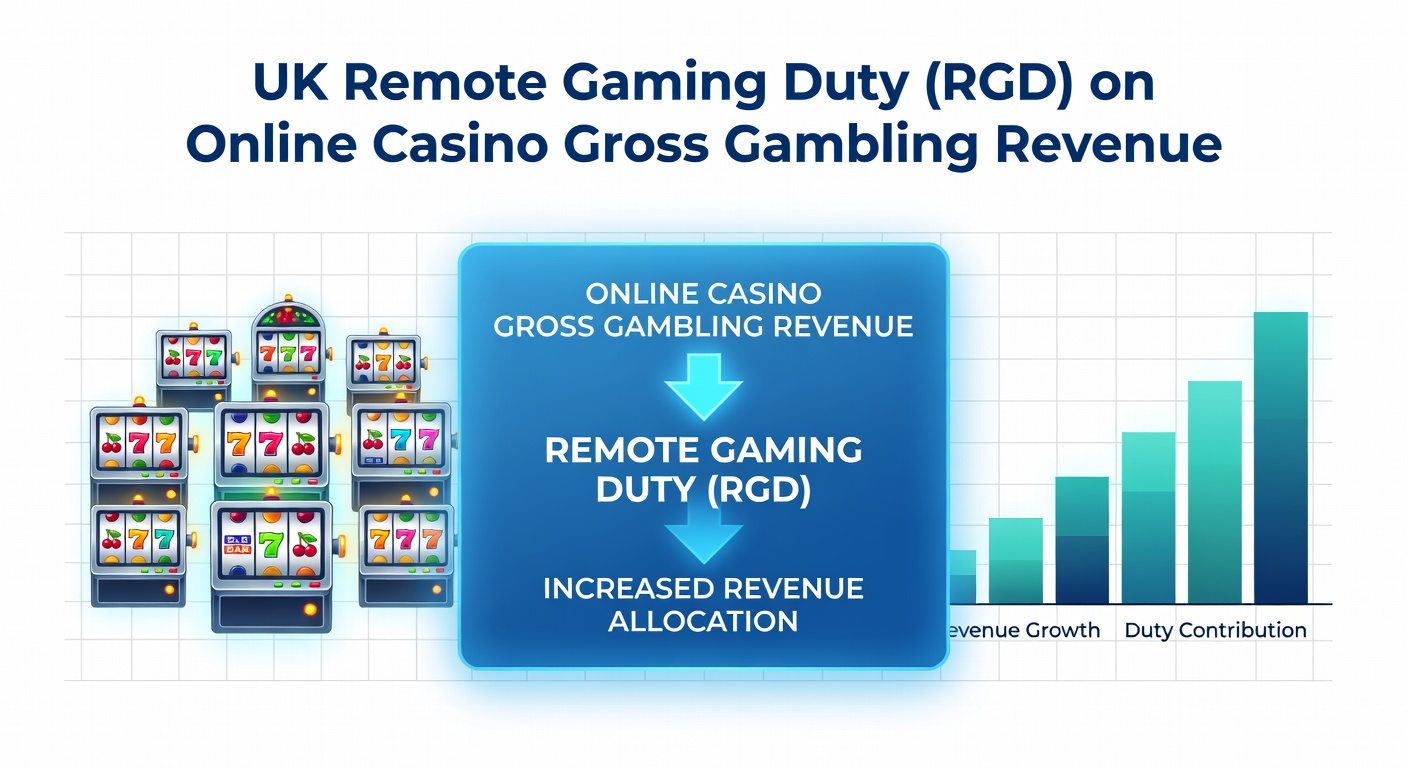
Turning to fiscal pressures, the Remote Gaming Duty (RGD) climbs to 40% effective April 1, 2026, slapping a heavier tax on online slots revenue specifically, a hike that operators calculate will squeeze margins as they pass through compliance costs from the other reforms. Figures from Treasury projections indicate this targets gross gambling yield from remote slots, excluding land-based or non-slot online play, and although the industry lobbied hard during UKGC consultations, the change stuck firm, reflecting government priorities on revenue amid rising protection spends.
By March 2026, sites were already modeling the hit, with some tweaking pricing on non-stake elements like VIP tiers to offset, but the reality is that slots, as a high-yield category, bear the brunt directly. It's noteworthy that this duty applies post-player protections, so net revenue calculations factor in the new limits first, then the tax bite, creating a compounded effect that financial analysts are dissecting in real-time quarterly filings.
New Technical Standards and Deposit Controls Roll Out Mid-Year
Come June 30, 2026, fresh technical standards kick in for deposit limits, standardizing how sites prompt and enforce them across slots play; these aren't optional nudges anymore but baked-in requirements, where players face mandatory pauses after certain thresholds, with friction like cooling-off timers scaling by deposit frequency and amount. Researchers who've studied session data praise this as a direct counter to rapid escalations, and operators must certify their RNG-compliant slots meet the specs, including randomness audits that the UKGC ramps up.
So, platforms are racing to update backends now, ensuring deposit interfaces flag risks proactively, while tying into the stake limits for holistic checks; one example surfaces in beta tests from early adopters, where a player's third deposit in 24 hours triggered a 24-hour cap review, all automated yet customizable per UKGC guidelines.
Tightened Game Design, Marketing, and Protection Tools
Overarching these are beefed-up rules on slot game design itself, curbing features like turbo spins or autoplay chains that research links to prolonged sessions; designers now face mandates to slow acceleration rates, add loss-limit prompts mid-session, and eliminate sensory overload elements, all certified before launch on UK sites. Marketing gets reined in too, with bans on celebrity endorsements for slots and stricter ad disclosures about risks, ensuring campaigns steer clear of youth appeal.
Player protection tools evolve with mandatory self-exclusion syncing across operators via GAMSTOP integrations, plus behavioral monitoring that flags anomalies like stake spikes in under-25 accounts for intervention. Those who've tracked compliance note how March 2026 audits already dinged a few laggards on design tweaks, pushing the sector toward uniform standards faster than anticipated.
And while the changes layer complexities, they interconnect seamlessly: stake limits feed into deposit prompts, bonus purity avoids cross-sells, duty hikes fund enforcement, creating a web where one reform bolsters the next. Experts observing from industry panels highlight how this holistic approach, drawn from years of player harm studies, positions the UK as a regulatory pacesetter, even as operators navigate the pivot.
Industry Ripples and Player Adjustments
Across the board, licensed sites report smoother transitions than feared, with player traffic holding steady into spring 2026 despite the caps; some segments, particularly 18-24s, shifted toward lower-volatility slots that stretch £2 spins further, while 25+ users explore maxed £5 sessions more mindfully. Case studies from operator disclosures reveal dip-and-rebound patterns in gross gaming revenue, as initial caution gave way to adapted playstyles.
But the rubber meets the road in enforcement: UKGC fines loom for non-compliance, and early 2026 saw warnings issued, underscoring that these aren't suggestions but ironclad rules. Players, on the flip side, encounter more transparent interfaces, with pop-ups detailing limits and links to help resources, fostering habits that data suggests reduce binge risks over time.
Conclusion: A New Era for UK Online Slots
These 2026 reforms from the UKGC mark a pivotal shift, weaving stake caps, bonus bans, duty increases, tech standards, and design overhauls into a unified framework aimed at sustainable play; as June deadlines approach and April taxes bite, the sector settles into this recalibrated normal, with March 2026 serving as a litmus test for lasting impact. Observers tracking the data anticipate clearer pictures in upcoming reports, but for now, the changes stand enforced, reshaping online slots from the ground up across every licensed corner of the UK market.