Tracing Connected Experiences: Real-Time Dealer Features and Their Ties to Progressive Prize Systems in Mobile Casino Platforms
Klara Simon · Jul 15, 2026
Tracing Connected Experiences: Real-Time Dealer Features and Their Ties to Progressive Prize Systems in Mobile Casino Platforms
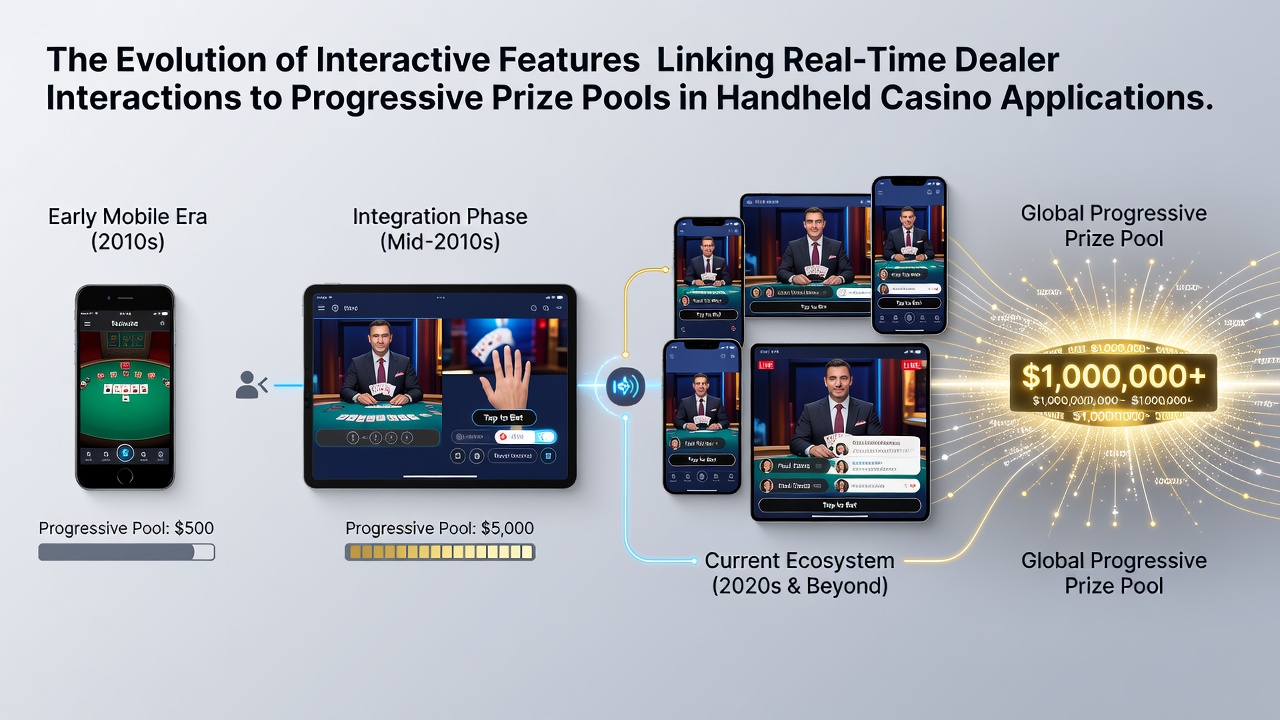
Developers began merging live dealer streams with slot mechanics in the early 2010s, when mobile bandwidth improvements allowed consistent video feeds on handheld devices, and those early integrations set the stage for prize pools that grew through combined player actions across both formats. Companies rolled out apps where users placed bets at virtual tables while simultaneously contributing portions of wagers to shared jackpots that appeared on slot reels, creating a direct link between dealer-paced rounds and accumulating rewards.Initial Technical Foundations
Streaming protocols advanced quickly after 2012, when developers adopted adaptive bitrate technology that maintained dealer video quality even during variable network conditions, and this stability encouraged operators to connect those feeds to backend systems tracking progressive contributions in real time. Research from the University of Nevada, Las Vegas Center for Gaming Research documented how early handheld applications synchronized dealer announcements with jackpot meters visible on the same screen, allowing players to watch contributions from table bets update slot prize pools without leaving the live session.
Expansion of Interactive Controls
By 2018, apps introduced gesture-based commands that let users signal bets or trigger side games directly through dealer interfaces, and these controls extended to progressive features where specific dealer outcomes unlocked bonus multipliers applied to the shared pool. Data from the Malta Gaming Authority showed increased session lengths in regions where such features appeared, as players remained engaged through continuous interaction rather than switching between separate game modes. Observers noted that real-time chat functions evolved to include dealer-initiated challenges, with successful responses adding fixed amounts to the progressive total visible in the handheld display.
Integration Milestones Around Mid-2020s
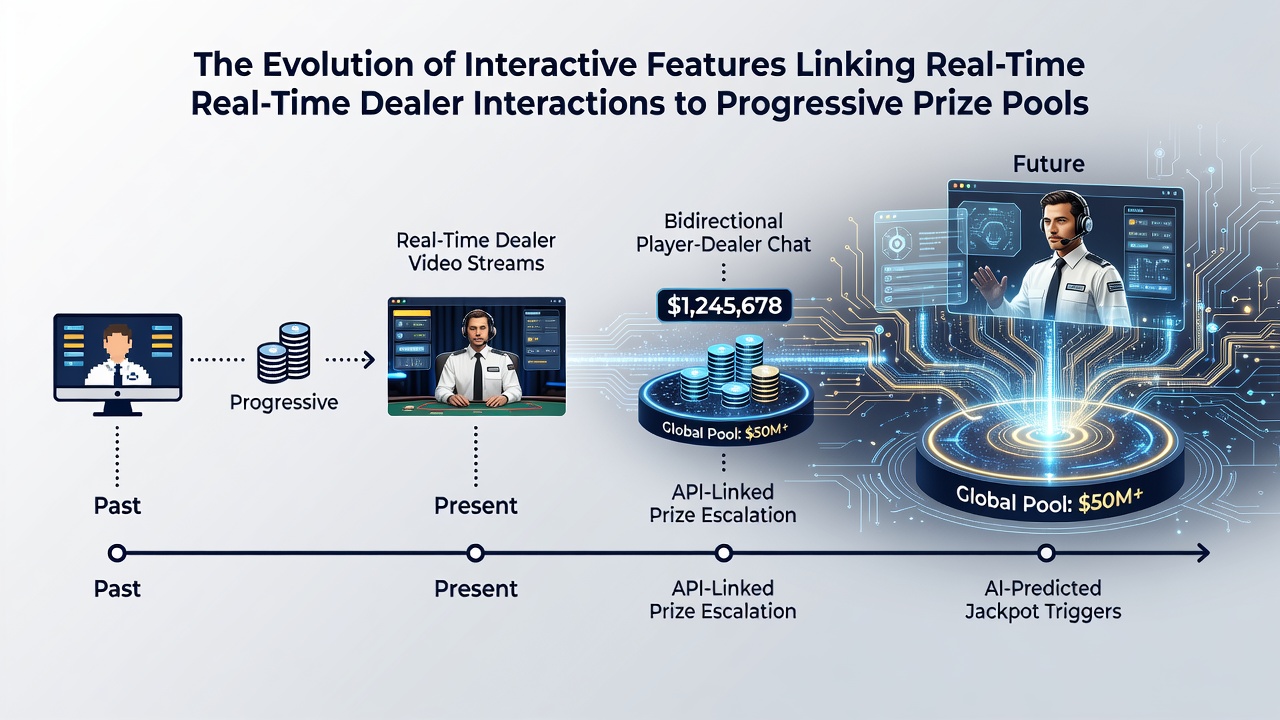
Platform updates in 2024 and 2025 refined API connections between live dealer servers and progressive jackpot engines, enabling instant reflection of table activity on mobile jackpot counters without noticeable delay. Figures from the Canadian Gaming Association revealed steady growth in cross-format participation rates during this period, particularly in apps that displayed dealer hand results feeding directly into reel-based prize accumulations. And in July 2026 several operators deployed enhanced synchronization tools that adjusted pool contribution rates based on live table volume, creating dynamic scaling visible to users on their devices.
Player-Facing Mechanics and Data Tracking
Handheld applications now commonly feature overlaid controls that allow quick switches between dealer view and slot interface while maintaining a unified account balance tied to the progressive system. Studies conducted by iGaming Ontario indicated that retention metrics improved when apps provided clear visual feedback on how individual dealer interactions influenced overall pool growth. Those who've examined usage patterns across multiple markets point to notification systems that alert players to impending dealer-triggered events capable of boosting jackpot values, keeping engagement levels consistent across longer periods.
Regulatory and Infrastructure Influences
Authorities in various jurisdictions established guidelines requiring transparent display of contribution percentages from live dealer wagers into progressive pools, and these rules prompted developers to build audit trails directly into mobile code. Reports issued by the Australian Communications and Media Authority highlighted compliance-driven updates that standardized data reporting across handheld platforms, ensuring prize calculations remained verifiable even as interactive features multiplied. Developers responded by embedding encryption layers that protected real-time transaction streams linking dealer actions to jackpot servers.
Current Capabilities and Ongoing Adjustments
Today's applications support multi-player dealer tables where collective decisions from handheld users accelerate progressive growth rates, with visual meters updating after each round completion. Industry organizations such as the American Gaming Association have tracked adoption of these combined systems across North American markets, noting integration with loyalty programs that award additional contributions based on sustained live interaction. What's interesting is how developers continue refining latency reduction techniques so that dealer gestures and prize pool responses appear simultaneous on smaller screens.
Conclusion
The progression from isolated live dealer streams to fully linked progressive systems in handheld casino applications reflects steady advancements in streaming reliability, API connectivity, and regulatory alignment across multiple regions. Data continues to show expanded participation where these features operate together, and further refinements are expected as mobile infrastructure supports even tighter synchronization between dealer interactions and shared prize mechanisms.