Synchronizing Incentive Periods Between Live Dealer Wheel Games and Automated Reel Sequences on Mobile Platforms
Yves Simon · Jun 14, 2026
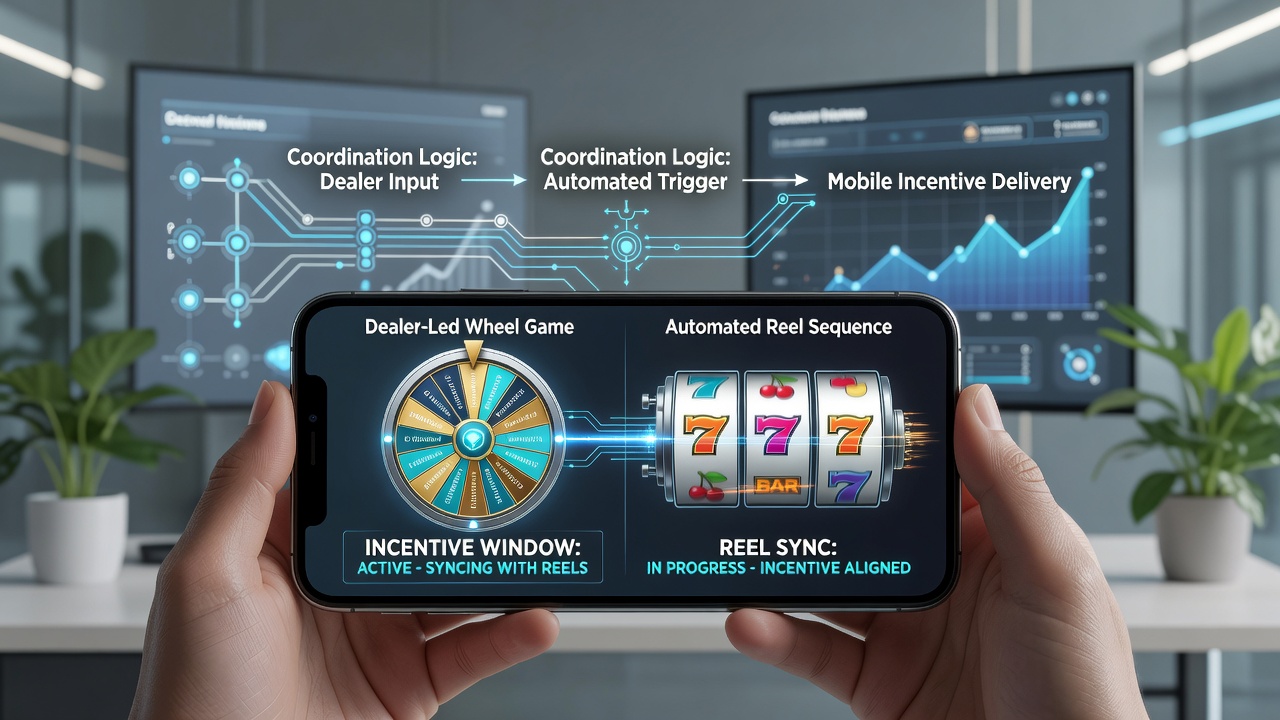
Synchronizing Incentive Periods Between Live Dealer Wheel Games and Automated Reel Sequences on Mobile Platforms
Operators have developed systems that align promotional windows across dealer-led wheel games and automated reel sequences, allowing players to access timed incentives without switching between separate interfaces on mobile devices, and this coordination relies on shared backend timers that track player activity across both formats simultaneously.
Core Mechanics of Incentive Alignment
Dealer-led wheel games operate with live human oversight while automated reel sequences run through algorithmic cycles, yet both draw from unified reward pools that activate during specific intervals, and mobile platforms use API bridges to ensure these intervals overlap precisely so that a player completing a wheel spin can immediately transition into a reel session without losing eligibility for stacked offers.
Research from the University of Nevada's gaming technology lab shows that synchronization reduces session drop-off rates by coordinating start and end times through timestamp protocols, and developers implement these protocols using server-side clocks that update every few seconds across global networks.
Technical Implementation on Mobile Devices
Mobile operating systems handle these alignments through background processes that monitor GPS location, device orientation, and network latency while maintaining separate visual feeds for wheel and reel displays, and the result is a seamless handoff where an incentive window opened during a live wheel round remains active when the interface shifts to automated reels.
Platform Variations Across Regions
In North American markets, platforms integrate these features through standardized SDKs that comply with state-level testing requirements, whereas Australian operators focus on real-time adjustment of window durations based on peak usage data collected from thousands of concurrent sessions.
One case involved a platform that adjusted incentive lengths after observing patterns in player transitions, and the adjustment led to higher completion rates for combined wheel-to-reel sequences without altering the underlying probability structures of either game type.
Data Patterns Observed in June 2026
Figures released in June 2026 by industry monitoring groups indicated that synchronized windows increased cross-format engagement on mobile by measurable percentages, and these increases appeared most pronounced among users who accessed both game types within the same 30-minute period.
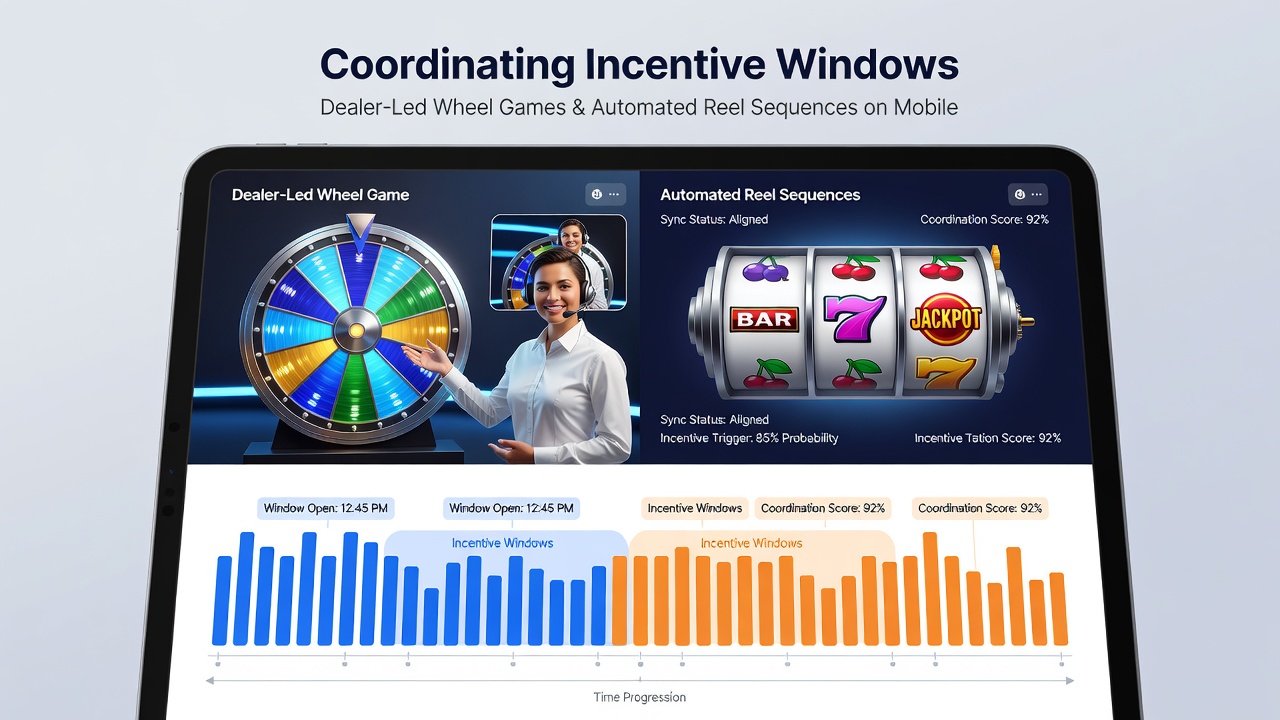
Observers note that the June data also highlighted regional differences, with European platforms emphasizing shorter, more frequent windows while North American systems favored longer overlapping periods that spanned multiple game rounds.
Player Transition Protocols
Protocols require that any active incentive must carry forward its remaining duration when a user moves from dealer wheel to reel sequence, and this carry-forward mechanism prevents loss of eligibility while maintaining audit trails for regulatory review, and the process uses encrypted session tokens that persist across game engines on the same mobile application.
Take one development team that refined token handoff speeds after initial tests revealed minor delays during high-traffic periods, and the refinements allowed incentives to activate within milliseconds of the transition command.
Future Adjustments and Industry Standards
Standards bodies continue to refine guidelines for these coordination methods, and updates scheduled after June 2026 focus on improving compatibility between different mobile hardware configurations while preserving the integrity of timing data, and the American Gaming Association has contributed technical recommendations on latency thresholds that affect window accuracy.
Additional work from Canadian research groups has examined how battery optimization features on smartphones influence the reliability of background timing processes, and findings suggest that certain device settings can extend or shorten effective incentive availability depending on power management modes.
Conclusion
Coordination of incentive windows between dealer-led wheel games and automated reel sequences continues to evolve through incremental technical improvements on mobile platforms, and the systems rely on precise timing protocols, cross-engine data sharing, and regional compliance adjustments that together support consistent reward delivery across formats.