How Design Choices in UK Gambling Apps Affect Transitions Between Live Casino and Slot Play
Amir Koch · Jun 19, 2026
How Design Choices in UK Gambling Apps Affect Transitions Between Live Casino and Slot Play
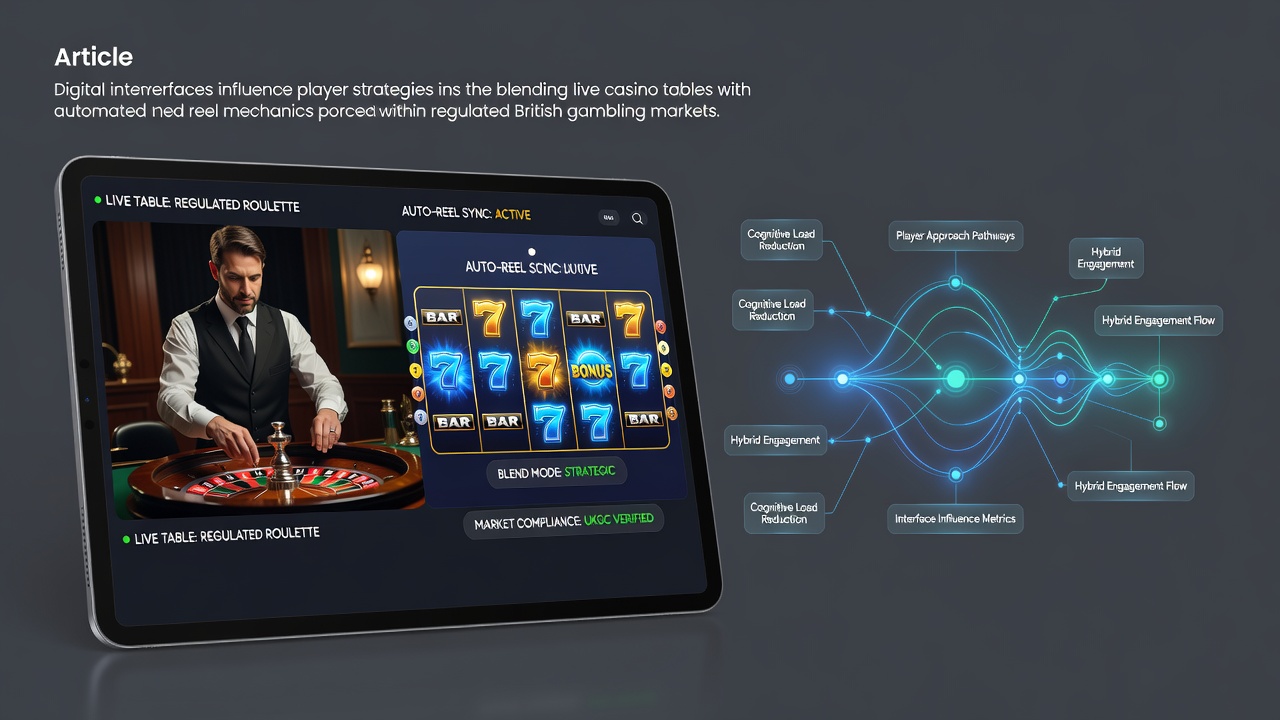
App interfaces in regulated British markets direct player movement between live dealer tables and automated reel games through specific layout decisions, navigation flows, and visual cues that shape session patterns. Observers note that these elements appear in mobile applications licensed under current rules, where operators structure screens to support quick switches between real-time table interactions and machine-driven spins.
Navigation Patterns and Session Flow
Designers place persistent menu bars and swipe gestures at the core of many applications, allowing users to move from a live roulette wheel to slot reels without exiting the current view. Data from industry reports indicates that such streamlined paths increase the frequency of combined play sessions, as players encounter fewer barriers when alternating between formats. In June 2026 several platforms introduced overlay tabs that highlight both live tables and reel sections simultaneously, encouraging layered approaches where a player might initiate spins during pauses in table action.
Those who've examined user logs report that thumbnail previews of live tables sit alongside reel icons in lobby areas, reducing the steps needed to blend activities. Researchers at academic institutions have documented similar interface tactics in other regulated regions, where comparable navigation reduces session fragmentation and supports sustained engagement across game types.
Visual Cues and Prompting Mechanisms
Color schemes and animation timing further influence how participants approach these blends. Bright accents on live table cards draw attention during reel sequences, while progress indicators for free spin rounds remain visible when returning to table views. Studies from university research groups reveal that these prompts correlate with higher rates of format switching, particularly among mobile users who maintain multiple game windows in one session.
One analysis of application data showed that reward notifications timed to appear after a live table round often direct attention toward reel features, creating natural progression points. Experts have observed that operators in British markets adjust these timings based on compliance requirements, ensuring prompts align with responsible play standards without disrupting flow.

Bonus Integration and Tracking Tools
Progress meters and unified wallets represent another layer where interfaces guide blending strategies. Players encounter single balance displays that track contributions from both live table wagers and reel spins, while bonus counters update across formats in real time. Figures from gaming association publications show that such unified tools appear in applications serving UK audiences, where they facilitate deposit match usage across live and automated sections without separate navigation.
Applications often embed quick-swap buttons within bonus panels, allowing direct movement from a completed roulette hand to an active slot round. Data collected by research organizations indicates these features appear more frequently following regulatory updates in various jurisdictions, including comparisons drawn from Australian oversight bodies that track similar interface adaptations.
Player Behavior Data and Regional Comparisons
Analytics shared by trade groups highlight measurable shifts in how British users structure their time across game categories. Sessions that once focused on single formats now show increased interleaving, with interface elements credited for supporting the change. A report from a Canadian research institute on digital gaming patterns found parallel trends where seamless transitions boosted combined play without altering overall spend levels.
Those monitoring application performance in June 2026 noted that updates to transition animations coincided with sustained user retention across live and reel sections. Industry observers connect these outcomes to deliberate design decisions rather than external factors alone, with metrics drawn from anonymized platform records.
Future Interface Developments
Developers continue refining gesture controls and split-screen options that further merge live table feeds with reel mechanics. Early tests in licensed environments suggest these additions may standardize multi-format sessions as standard practice. Academic papers from European research centers have begun examining long-term effects on player decision-making when interfaces prioritize fluidity between real-time and automated elements.
Regulatory frameworks in multiple markets encourage ongoing evaluation of these tools to maintain transparency and accessibility standards. Continued data collection from operators will clarify how such evolutions reshape daily approaches to combined gameplay.
Conclusion
Interface architecture in British-regulated applications consistently directs attention and movement between live tables and reel features through navigation, visuals, and integrated tools. Evidence from multiple sources, including academic studies and cross-regional reports, confirms that these elements produce measurable changes in session composition. As platforms evolve in 2026 and beyond, the role of design choices remains central to observed player patterns across regulated environments.